
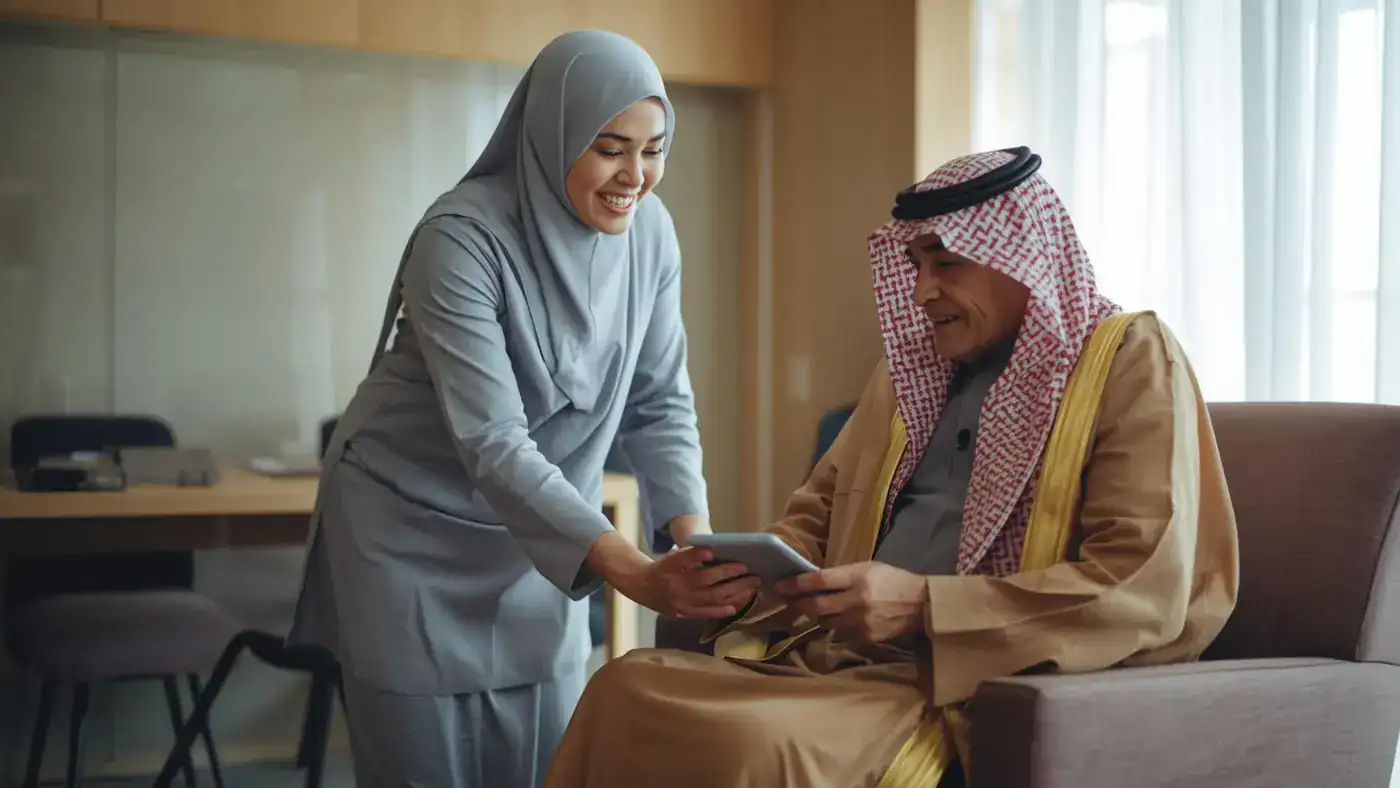
7 Essential Caregiver Skills Every Expatriate Must Know Today
Caregiver jobs are booming right now. In fact, they’re among the fastest-growing opportunities you’ll find anywhere in the world.
Here’s something that might surprise you: about 53 million Americans were providing unpaid care in 2024 alone. That’s a huge number of people stepping up to help others. This demand extends globally, especially in Saudi Arabia, where the number of people aged 65 and older per 100 working-age adults is expected to almost double between 2020 and 2030 under Vision 2030 healthcare reforms.
For expatriates seeking meaningful work, caregiver roles offer more than just employment. They provide stable income, visa sponsorship, and the chance to make a genuine difference in people’s lives.
Understanding what a caregiver does and mastering the essential skills can transform your career prospects in Saudi Arabia’s expanding healthcare sector.
Table of Contents
Caregiver Duties
Caregiver duties are all about non medical aid that helps people live with independence and dignity. It’s the foundation of everything caregivers do.
Your responsibilities will change depending on who you’re caring for. But no matter where you work, you’ll notice some common threads that connect all caregiver roles.
Daily Routine Tasks
A caregiver performs essential tasks that many of us take for granted. You assist with bathing, dressing, grooming, and personal hygiene while maintaining your client’s dignity.
Meal preparation is another core duty. You plan nutritious meals according to dietary restrictions and ensure proper nutrition for elderly clients or those with health conditions.
Light housekeeping keeps living spaces safe and comfortable. This includes laundry, dishes, and general tidying to prevent falls or health hazards.
Caregivers working in Saudi Arabia typically spend 8 to 12 hours daily managing these routine tasks. Your schedule depends on whether you work in a private home or facility setting.
Supporting Seniors And Patients
Supporting elderly individuals requires patience and specialized attention. Caregiver work focuses heavily on mobility assistance, helping clients move safely around their homes or to appointments.
You monitor vital signs when required and report any concerning changes to healthcare professionals. This doesn’t involve medical procedures but rather observant care.
Companionship stands as one of the most valuable services a caregiver provides. Loneliness affects many elderly people, and your presence offers emotional support and mental stimulation.
For expatriates in Saudi Arabia, understanding cultural norms around elder care is essential. Families here place tremendous value on respectful, compassionate treatment of seniors.
Working Conditions For Expatriates
Working conditions for expatriates as caregivers in Saudi Arabia typically involve either live-in or live-out arrangements. Live-in positions often provide accommodation and meals as part of the compensation package.
Your work schedule might include weekends and holidays, especially in home-based care. Flexibility is important since client needs can change unexpectedly.
Most employers offer contracts ranging from one to two years with visa sponsorship. This legal framework protects both you and your employer.
Physical demands include lifting, transferring clients, and standing for extended periods. You need reasonable fitness levels to handle these requirements safely.
Caregiver Qualifications
Caregiver qualifications decide whether you’re ready for caregiver job opportunities in Saudi Arabia. Different employers look for different things.
But here’s the thing: some standards stay the same no matter where you apply. These core requirements show up across the entire industry.
Mandatory Skills And Basic Certifications
Caregiver positions don’t always require formal degrees, but employers prefer candidates with high school diplomas or equivalent education. This demonstrates basic literacy and learning capability.
First aid and CPR certification significantly improve your employability. Many Saudi employers require or strongly prefer these qualifications before hiring expatriates.
Personal support skills include effective communication, empathy, and the ability to remain calm under pressure. These soft skills often matter as much as technical knowledge.
Patient communication techniques help you understand non-verbal cues and respond appropriately to individuals who may have cognitive impairments or language barriers.
Basic medical knowledge about common conditions like diabetes, dementia, and mobility issues helps you provide better care and recognize when professional intervention is needed.
Cultural And Ethical Requirements For Expatriates
Cultural sensitivity skills aren’t optional if you’re an expat working in Saudi Arabia.
You absolutely need them to succeed here. You must respect local customs, religious practices, and family structures that differ from your home country.
Understanding gender norms is particularly important. Female caregivers typically work with female clients, while male caregivers work with male clients in private homes.
Ethical standards require maintaining confidentiality about your client’s health and personal information. Trust forms the foundation of successful caregiving relationships.
Respect for prayer times and dietary restrictions is essential. Saudi families expect caregivers to accommodate Islamic practices without question or judgment.
Health, Safety, And Background Checks
Health screening is required for every expat who enters Saudi Arabia.
There’s no way around it—it’s mandatory for everyone. You’ll undergo medical examinations to ensure you don’t carry communicable diseases.
Care environment safety knowledge helps you identify and eliminate hazards in client homes. This includes understanding fall prevention, fire safety, and emergency protocols.
Background checks verify your criminal history and previous employment. Employers need assurance that you’re trustworthy and reliable.
Drug testing may be required during the hiring process and periodically throughout your employment. Saudi Arabia maintains strict policies regarding substance use.
Caregiver Training Programs
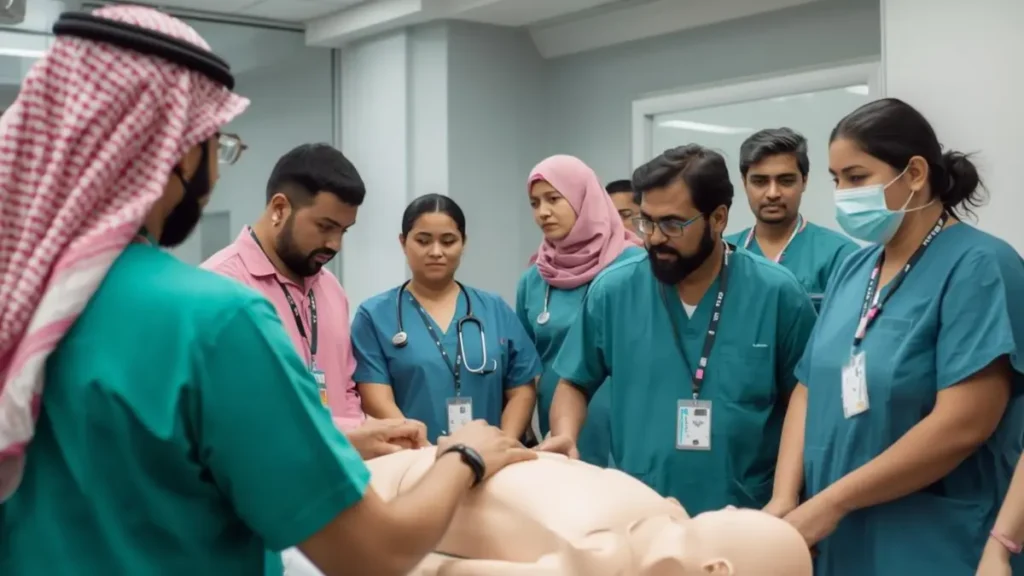
Caregiver training programs give you the skills you need to stand out in Saudi Arabia’s healthcare sector. They’re your gateway to success here.
The good news? You’ve got multiple pathways to choose from when it comes to earning recognized qualifications.
International Programs Recognized In Saudi Arabia
International caregiving certifications from countries like the United States, United Kingdom, Canada, and Australia are generally recognized in Saudi Arabia. These programs typically run 40 to 120 hours.
The Certified Caregiver Professional (CCP) course offered by organizations like Skills Zone Training Center provides comprehensive preparation. This program covers theoretical knowledge and practical skills.
The Certified Caregiver Professional (CCP) course from places like Skills Zone Training Center gives you complete preparation. It’s one of the most comprehensive options out there.
You’ll get both sides of the coin: theoretical knowledge and hands-on practical skills that matter in real caregiving situations.
NCFE CACHE Level 2 Diploma in Care is another widely accepted qualification. It focuses on advanced healthcare support skills valued by Saudi employers.
Accredited programs from your home country can strengthen your application. Verify that your certification meets Saudi standards before applying for positions.
Online Training Options For Expatriates
Online caregiver training offers flexibility for expatriates preparing to work in Saudi Arabia. You can complete coursework at your own pace before relocating.
Many programs include video tutorials on safety, personal care techniques, and recognizing signs of distress. Interactive modules test your knowledge progressively.
Virtual training usually costs less than in-person programs. You’re looking at somewhere between $200 and $800, depending on how thorough the course is and what certification level you’re pursuing.
But here’s what you can’t skip: hands-on practice. It’s absolutely essential for real-world caregiving.
Look for programs that blend online theory with practical demonstrations or local practicum requirements. That combination gives you the complete skill set you need.
On-Site Training & Local Opportunities
On-site training in Saudi Arabia allows you to learn while working. Many employers provide orientation programs lasting two to four weeks.
Local vocational centers in cities like Riyadh, Jeddah, and Dammam offer caregiver courses tailored to Saudi healthcare standards. These programs often include Arabic language basics.
Hospital-based training programs partner with healthcare facilities to provide real-world experience. You work alongside experienced caregivers while learning.
Agency-sponsored training is pretty common when you join through recruitment companies. They’re invested in making sure you succeed.
These agencies put resources into your development because they need you to meet client expectations. It’s a win-win situation for everyone involved.
Caregiver Job Description
A caregiver job description outlines the specific expectations and responsibilities you’ll handle daily. Understanding these details helps you prepare effectively.
Core Job Purpose And Role Definition
The caregiver definition comes down to this: you provide non medical aid that helps people live safely and comfortably.
It’s all about supportive assistance that makes a real difference in someone’s daily life. Your role bridges the gap between complete independence and institutional care.
Home assistance services form the bulk of your work. You help clients remain in familiar surroundings rather than moving to facilities.
Your purpose is maintaining and improving quality of life through practical support, emotional companionship, and vigilant observation of health changes.
Caregivers act as the eyes and ears for healthcare teams, reporting significant developments while handling day-to-day needs independently.
Key Competencies And Soft Skills
Time management for caregivers is essential since you juggle multiple responsibilities within limited timeframes. Prioritizing urgent tasks while maintaining routine care requires skill.
Caregiver stress management protects your own wellbeing while ensuring quality care. You must recognize signs of burnout and implement self-care strategies.
Problem-solving abilities help you adapt when situations don’t go as planned. Clients may refuse assistance, emergencies may arise, or equipment may malfunction.
Patience and adaptability allow you to adjust to each client’s unique personality, preferences, and pace. No two days are identical in caregiving.
Attention to detail ensures medications are administered correctly, appointments are kept, and subtle health changes are noticed and reported.
Differences Between Home-Based And Facility-Based Roles
Home-based caregiver work settings let you focus on one person at a time in their own private residence. It’s just you and your client, or maybe a couple.
This setup helps you really get to know them. You’ll develop a deep understanding of their unique needs and preferences over time.
Facility-based positions in nursing homes or assisted living centers involve working with multiple residents. Your duties are more structured and scheduled.
Home caregivers often handle more household tasks like cooking and cleaning. Facility caregivers focus more on personal care and social activities.
Supervision levels vary quite a bit depending on where you work. The structure changes based on your setting.
In homes, you work independently with just periodic check-ins. But in facilities, you’re part of a bigger team with supervisors readily available for support.
Caregiver Responsibilities
Your caregiver responsibilities cover more than just daily care support. Legal and ethical duties come with the territory too.
Understanding these obligations isn’t just important—it protects both you and the people you care for.
Legal Expectations For Expatriates
Legal expectations for expatriates working as caregivers in Saudi Arabia begin with valid work authorization. Your employer must sponsor your visa and provide a formal employment contract.
Labor laws set the rules for your working hours, rest periods, and overtime pay. These aren’t suggestions—they’re legal requirements.
Make sure you know your rights under Saudi labor regulations. Being informed protects you from potential issues down the road.
Caregiver responsibilities include following prescribed care plans exactly as outlined by healthcare professionals. Deviating from instructions can have legal consequences.
Documentation requirements mean you must maintain accurate records of care provided, medications administered, and any incidents that occur.
Safety, Hygiene, And Risk Management
Care environment safety is your primary concern at all times. You identify potential hazards like loose rugs, poor lighting, or blocked pathways and address them immediately.
Infection control practices protect both you and your client. Proper handwashing, use of gloves when appropriate, and safe handling of bodily fluids are standard procedures.
Fall prevention is critical when working with elderly clients. You assist with mobility, ensure adequate lighting, and encourage use of assistive devices.
Emergency preparedness means knowing evacuation routes, understanding how to use fire extinguishers, and having emergency contact numbers readily accessible.
Reporting, Documentation, And Communication Standards
Reporting protocols require you to communicate significant health changes to supervisors or family members promptly. Delays in reporting can endanger clients.
Patient communication techniques involve active listening, clear speaking, and using non-verbal cues to understand clients who may have speech difficulties.
Written documentation must be clear, accurate, and completed daily. This creates a legal record of care provided and serves as communication between shifts.
Confidentiality obligations mean you never discuss client information with unauthorized individuals. Privacy protections are both ethical requirements and legal mandates.
Why Caregiver Roles Are A Top Opportunity For Expatriates In Saudi Arabia
Caregiver roles give expats some real advantages in Saudi Arabia’s changing healthcare landscape. Things are shifting fast here.
Vision 2030 reforms are transforming the entire sector. That means unprecedented opportunities are opening up for people like you.
High Demand And Job Security
High demand for caregivers stems from Saudi Arabia’s rapidly aging population. The number of people aged 65 and older per 100 working-age adults is expected to almost double between 2020 and 2030, creating unprecedented demand for caregiving services.
Vision 2030’s Healthcare Transformation Program aims to expand healthcare infrastructure significantly and establish comprehensive elder care systems. This expansion creates thousands of new caregiver positions annually.
The Kingdom is planning to bring in 175,000 healthcare professionals by 2030. That includes support roles like caregiving, which means job security here is rock solid.
Here’s another factor driving demand: chronic disease rates are climbing. More people are dealing with conditions like diabetes and heart disease.
These ongoing health issues need home-based support that hospitals just can’t handle on their own.
Competitive Salary Potential
Competitive salary ranges for caregivers in Saudi Arabia vary based on experience and location. Entry-level positions typically earn SAR 24,000 to SAR 32,000 annually.
Experienced caregivers with specialized skills can earn SAR 70,000 to SAR 106,000 per year. Live-in positions often include free accommodation and meals, significantly reducing living expenses.
Benefits packages commonly include visa sponsorship, health insurance, annual leave, and round-trip airfare. These additions substantially increase total compensation value.
Compared to similar positions in countries like the Philippines, Pakistan, or India, Saudi salaries often represent two to three times the earning potential.
Clear Growth Through A Professional Caregiving Path
A professional caregiving path opens doors for advancement within Saudi Arabia’s healthcare system. You don’t have to stay at entry level forever.
Starting as a basic caregiver is just the beginning. From there, you can move up to specialized roles with better pay and responsibilities.
Certifications in dementia care, palliative care, or pediatric care increase your value and earning potential. Many employers support continuing education for promising staff.
Senior caregiver positions involve mentoring newer staff and managing care schedules. These roles come with higher pay and greater responsibility.
Transitioning into healthcare administration, care coordination, or agency management becomes possible with experience and additional training.
7 Essential Caregiver Skills Every Expatriate Must Know Today (Deep Dive)

Mastering essential caregiver skills separates competent caregivers from exceptional ones. These seven abilities form the core of professional caregiving practice.
Communication Mastery With Patients
Communication mastery involves much more than talking. Caregiver work requires you to understand when clients feel pain, fear, or confusion even when they can’t articulate it.
Patient communication techniques include speaking clearly and slowly, maintaining eye contact, and using simple language. Elderly clients or those with cognitive decline need extra clarity.
Non-verbal communication often conveys more than words. You learn to read facial expressions, body language, and changes in behavior that signal distress.
Active listening means you give your clients your complete attention without cutting them off. It sounds simple, but it matters more than you think.
Many elderly people feel like no one really hears them anymore. Your patience in truly listening provides real emotional support care they desperately need.
Cultural and language barriers pose challenges for expatriates. Learning basic Arabic phrases and understanding Saudi communication styles helps bridge these gaps.
Advocacy skills enable you to speak up for clients who can’t express their needs to doctors, family members, or service providers.
Personal Support & Daily Living Support
Personal support skills encompass assisting with activities of daily living while maintaining dignity. This delicate balance requires both technical skill and emotional intelligence.
Daily living tasks support includes helping clients bathe, dress, groom, and use the restroom. You provide only the assistance needed, encouraging independence where possible.
Respectful assistance acknowledges embarrassment clients may feel requiring help with intimate tasks. Your professionalism and matter-of-fact approach helps them feel comfortable.
Adaptive techniques accommodate declining abilities. As clients’ conditions change, you adjust your approach to provide appropriate levels of support.
Promoting self-care involves encouraging clients to do what they can independently. This maintains their strength, confidence, and sense of autonomy.
Mobility, Hygiene, And Home Assistance
Mobility support prevents falls and maintains physical activity levels. You assist with walking, transfers from bed to chair, and use of mobility aids like walkers or wheelchairs.
Patient mobility support requires proper body mechanics to protect both your back and the client from injury. Training in safe transfer techniques is essential.
Home assistance services extend beyond personal care to maintaining clean, safe living environments. You handle laundry, dishes, and light cleaning that clients can’t manage.
Hygiene management includes oral care, skin care, and preventing infections. Good hygiene practices are especially important for elderly clients with compromised immune systems.
Expatriate Adaptation: Thriving As A Caregiver In Saudi Arabia
Expatriate adaptation shapes whether your caregiving experience in Saudi Arabia feels rewarding or difficult. How well you adjust really matters.
Cultural awareness is what tips the scale. Understanding the local culture makes all the difference in your success here.
Understanding Family Expectations
Understanding family expectations in Saudi culture is crucial for expatriates. Families here take a direct, involved role in elder care decisions.
Extended families often participate in care discussions and visit frequently. You’ll interact with multiple family members who all have input on care approaches.
Respect for parental authority runs deep in Saudi culture. Adult children might make care decisions that feel overprotective to you. But those choices usually reflect deep cultural values.
Understanding this context helps you provide better personal care guidance without stepping on family dynamics.
Communication with families should be frequent and transparent. Regular updates about daily activities, health status, and any concerns help build trust.
Cultural Etiquette For Caregivers
Cultural sensitivity skills guide you through Saudi social norms smoothly. You really can’t succeed here as an expat without them.
One wrong move can create problems you didn’t see coming. Knowing the cultural expectations keeps you on solid ground.
Simple mistakes can seriously damage your relationships if you don’t know what’s expected. Being aware protects you from awkward or harmful missteps.
Modest dress is mandatory for caregivers working in private homes. Women should wear loose-fitting clothing that covers arms and legs, with hair covered when requested.
Gender segregation affects caregiving arrangements. Female caregivers work primarily with female clients, male caregivers with male clients in home settings.
Religious practices must be accommodated without question. This includes respecting prayer times five times daily and adjusting care schedules accordingly.
Food handling requires awareness of halal requirements. You should never bring pork products into Muslim homes or prepare foods prohibited by Islam.
Building Trust With Saudi Employers
Building trust takes time but follows predictable patterns. Saudi employers value loyalty, discretion, and demonstrated reliability above all else.
Consistency in your work quality and schedule builds confidence. Showing up on time and completing tasks thoroughly proves your dependability.
Respecting boundaries around family privacy is essential. You’ll see and hear personal family matters that must never be discussed outside the home.
Professional behavior includes accepting direction gracefully, asking questions when uncertain, and showing initiative in identifying ways to help.
Stress Management And Time Organization For Caregivers
Stress management and time organization protect your wellbeing while keeping your care quality high. You need both to stay effective in this role.
Caregiving can drain you emotionally and physically if you don’t have the right strategies in place. Taking care of yourself isn’t optional—it’s essential.
Prioritizing Tasks Efficiently
Prioritizing tasks efficiently means understanding what’s urgent and what’s simply important. They’re not the same thing, and knowing the difference matters.
Time management for caregivers is all about handling immediate needs first. You deal with what can’t wait, then shift to the rest of your responsibilities.
Create daily schedules that give you structure but leave room for surprises. You need routine care activities covered while staying flexible for whatever comes up unexpectedly. Morning personal care might be non-negotiable, while housework can shift.
Use checklists to track medications, appointments, and care tasks. Visual reminders prevent missed responsibilities and reduce mental load.
Learn to delegate when possible. If family members can assist with certain tasks, accept their help gracefully.
Managing Emotional Fatigue
Managing emotional fatigue prevents burnout that affects many caregivers. Caregiver stress management requires recognizing your own limits and needs.
Set emotional boundaries between your identity and your work. You care deeply about clients but maintain perspective that you’re providing professional service.
Practice self-care regularly, not just when you’re running on empty. Waiting until you’re exhausted defeats the purpose.
Exercise, good sleep, healthy eating, and personal hobbies all recharge your emotional reserves. These aren’t luxuries—they’re what keep you effective at your caregiver job.
Connect with other caregivers who understand the unique challenges. Support networks provide validation and practical coping strategies.
When Expatriates Should Seek Support
Knowing when to seek support can prevent serious problems down the road. Your body and mind send clear signals when something’s wrong.
Watch for things like persistent sadness, irritability, or physical symptoms like constant headaches. These aren’t things to push through—they’re signals you need help.
Employer resources might include counseling services, respite coverage, or schedule adjustments. Many companies offer more support than you realize.
Don’t hesitate to ask for help when you’re feeling overwhelmed. Requesting assistance isn’t a weakness—it’s smart caregiving that protects both you and your client.
Community groups for expatriates provide social connection and practical advice. Fellow caregivers understand your situation in ways others cannot.
Professional counseling helps process the emotional weight of caregiving. Many expatriates experience isolation and benefit from therapeutic support.
You might also find these useful:
- 7 Essential Khamis Mushait Facts for Expatriates to Thrive
- The Ultimate Guide to Riyadh Park: The Best Destination for Expatriates
- 7 Essential Iqama Renewal Fees Every Expatriate Must Know
- The Ultimate Step-By-Step Guide to Expatriates Jobs in Abha
- 7 Essential Insights About the Waiter Job Every Expat Should Know
- Saudi Labor Law: The Ultimate Guide for Expatriates
- 5 Best Driver Jobs in Riyadh: Complete Salary, Visa & Application Guide
- 7 Practical ways for expatriates to visit & settle Yanbu Al Bahr
- Driver Jobs in Saudi Arabia: Transform Your Career with 81% Market Growth & Premium Pay
- 7 Simple Steps to Get a Saudi driving license: Complete Guide for Expats
FAQ (People Also Ask Integration)
What Does A Caregiver Do On A Daily Basis?
A caregiver assists with daily living activities including bathing, dressing, meal preparation, and medication reminders. You provide companionship, help with mobility, handle light housekeeping, and monitor health status. The exact caregiver duties vary based on each client’s specific needs and abilities.
Do Caregivers Need Formal Certifications?
Formal certifications aren’t always required, but they definitely boost your job prospects. Having them on your resume makes you stand out.
Many Saudi employers prefer caregiver qualifications like CPR certification, first aid training, or recognized caregiving diplomas. These credentials show you’re serious about the work.
Requirements change depending on the employer and how complex the care is. But one thing stays constant: training proves both your commitment and your competence.
Is Caregiver Work Physically Demanding?
Yes, caregiver work involves physical demands including lifting, transferring clients, standing for extended periods, and assisting with mobility. You need reasonable fitness and proper training in safe lifting techniques. However, the physical requirements vary based on client needs and whether you work in homes or facilities.
How Long Does Caregiver Training Take?
Caregiver training programs typically range from 40 to 120 hours, completed over several weeks. Online programs offer self-paced options, while intensive courses might finish in two to four weeks. Additional on-the-job training provided by Saudi employers usually lasts another two to four weeks.
What Skills Are Essential To Become A Caregiver?
Essential caregiver skills include patient communication, personal care assistance, time management, stress management, and cultural sensitivity. You also need empathy, problem-solving abilities, attention to detail, and basic knowledge of common health conditions. Physical stamina and emotional resilience are equally important for long-term success.
Are Caregiver Jobs Available For Foreigners In Saudi Arabia?
Yes, caregiver jobs for expatriates are widely available in Saudi Arabia with many employers offering visa sponsorship. The Kingdom’s aging population and Vision 2030 healthcare expansion are creating substantial demand. Employers actively recruit from the Philippines, Pakistan, India, and other countries to fill these positions.
Sources
www.aarp.org, www.caregiving.org, www.jmedlife.ro, www.bls.gov, journals.sagepub.com, www.payscale.com, www.erieri.com, www.commonwealthfund.org, www.vision2030.gov.sa, www.globalhealthsaudi.com, bmchealthservres.biomedcentral.com